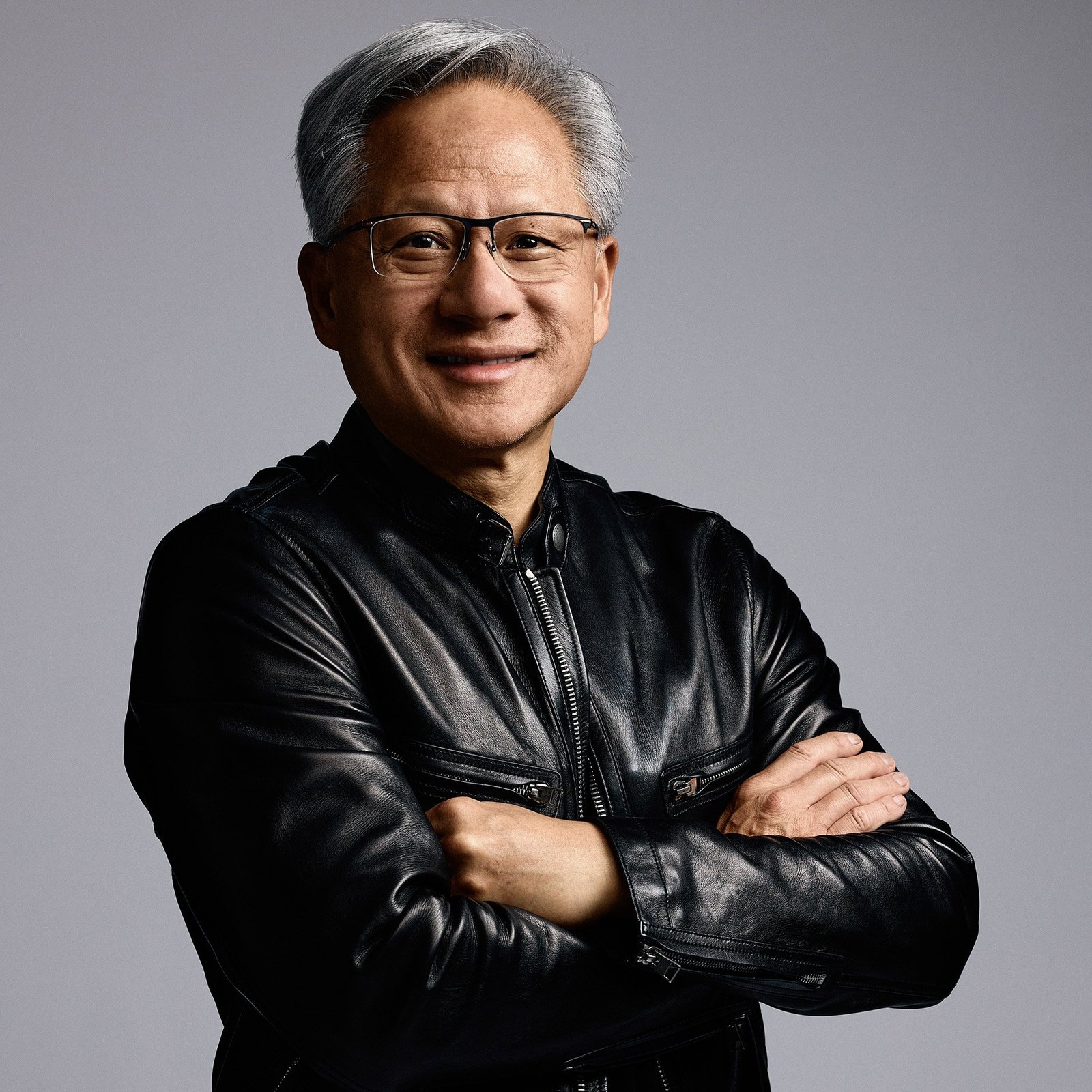
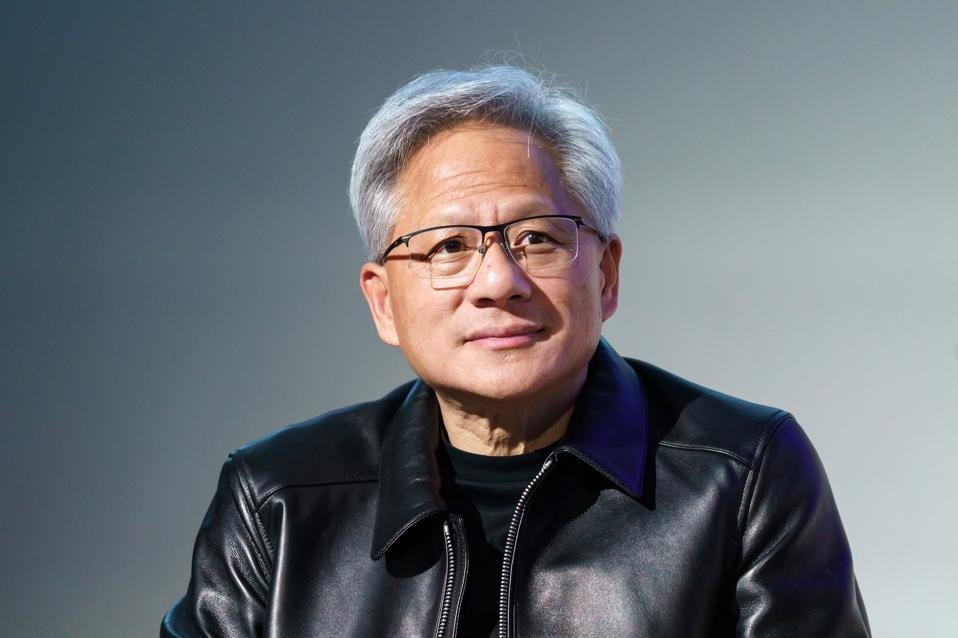
For eleven days this month, Silicon Valley watched a familiar corporate drama play out in real time—one where stock prices spoke louder than boardroom principles.
When Nvidia’s board of directors voted unanimously on Monday to reinstate co-founder Jensen Huang as president, chief executive, and director, Wall Street breathed a collective sigh of relief. Shares of the chipmaker jumped nearly 30% at the opening bell, erasing weeks of anxiety over whether the world’s most critical AI company could survive without its visionary architect.
"I can't wait to get back to work," Huang said in his statement, promising to lead Nvidia with "the greatest humility and renewed commitment."
Yet beneath the celebration on trading floors lies an uncomfortable reality: Nvidia’s board didn't bring Huang back because the allegations against him vanished. They brought him back because they blinked.
How a Governance Crisis Became a Market Panic
Just days ago, newly installed board chair Harvey C. Jones stood on an earnings call and flatly dismissed the idea of Huang’s return. That firm stance made sense on paper. Huang’s November 12 resignation wasn't a routine retirement—it was the culmination of a damaging series of revelations that tested the company's internal guardrails.
The trouble began in late October when The New York Times reported on Huang’s personal relationship with Alice Huang, a Chinese businesswoman whom U.S. authorities suspected of having ties to Chinese intelligence. Days later, an internal inquiry led by law firm Wachtell, Lipton, Rosen & Katz uncovered additional allegations involving relationships between Huang and subordinate Nvidia employees.
For a company sitting at the center of global national security and semiconductor export controls, those findings were serious. CFO Colette Kress stepped in as interim CEO, and the board signaled a new era of accountability.
Then reality hit:
The Stock Plunged: Without Huang, investors questioned Nvidia's execution edge, wiping billions off its valuation.
The Bench Was Empty: Top external candidates proved unreachable—most notably Arm Holdings CEO Rene Haas, who locked in a contract extension rather than jump ship.
Outside Pressure Mounted: A petition demanding Huang's reinstatement topped 165,000 signatures with backing from figures like Elon Musk, while President Donald Trump publicly endorsed bringing him back.
Much like OpenAI’s chaotic ouster and swift rehiring of Sam Altman in 2023, Nvidia’s board discovered that removing an indispensable founder is far easier than surviving the aftermath.
The Ethics Dilemma: Are Trillion-Dollar Founders Untouchable?
This brings us to the question corporate governance experts are quietly asking: What happens to business ethics when a CEO becomes "too big to fire"?
In almost any other corporate setting, workplace relationships with subordinates—combined with potential national security entanglements—are career-ending breaches of fiduciary duty and company policy. Compliance rules exist precisely to ensure that power inside an organization isn't abused and that personal entanglements don't compromise strategic decisions.
By reversing its decision in less than two weeks, Nvidia’s board sent a risky message to its employees and the broader tech industry:
Rules Are Conditional: Ethical standards and workplace conduct policies apply strictly—unless enforcing them hurts the share price.
Board Independence Is Fragile: When directors publicly declare a line won't be crossed, only to cross it days later under investor pressure, oversight starts to look performative rather than principled.
Key-Person Risk Overrides Accountability: Concentrating so much operational and symbolic power in a single leader leaves a company vulnerable, forcing boards to tolerate conduct they would never accept from anyone else on the payroll.
Board chair Harvey C. Jones stated that directors were satisfied with Huang’s "candor" following recent discussions and concluded his return was in the best interests of stockholders, employees, and customers. Financial markets clearly agreed—for now.
What Comes Next for Nvidia
A 30% rally doesn't make subpoenas disappear. California state authorities are still investigating Nvidia's governance practices and examining whether restricted AI chips reached China through third-party cloud providers. Shareholder lawsuits over board oversight are almost certain to follow, and Huang still faces testimony before U.S. Congress over export controls.
Jensen Huang built Nvidia from a graphics chip startup into the engine room of modern artificial intelligence. Nobody doubts his brilliance. But as he steps back into the corner office, the real test isn't whether he can keep Nvidia's stock climbing—it's whether a company worth trillions can prove that its ethical guardrails actually mean something when they are put to the test.