
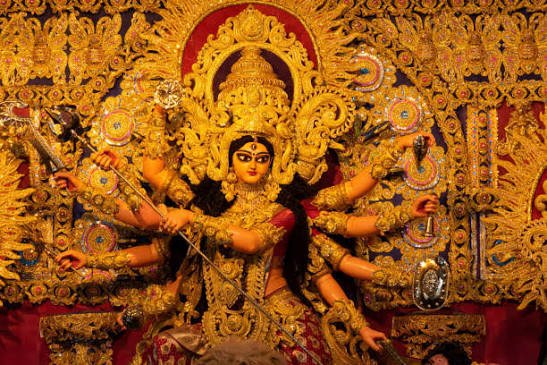
Durga Puja and Navratri are among the most significant Hindu festivals, celebrating the divine feminine power, devotion, courage and the eternal victory of good over evil. Observed with immense enthusiasm across India and in Indian communities around the world, these festivals bring together religious traditions, music, dance, art, family gatherings and vibrant cultural celebrations.
Although Durga Puja and Navratri are closely connected through their devotion to Goddess Durga, their celebrations differ across regions. Navratri is widely associated with nine nights of worship dedicated to the different manifestations of the Goddess, while Durga Puja is particularly renowned for its grand pandals, artistic idols and elaborate rituals, especially in West Bengal.
Together, these festivals reflect a shared spiritual message: divine strength can overcome darkness, righteousness can defeat injustice, and faith can inspire people to face life's challenges with courage.
What Is Durga Puja?
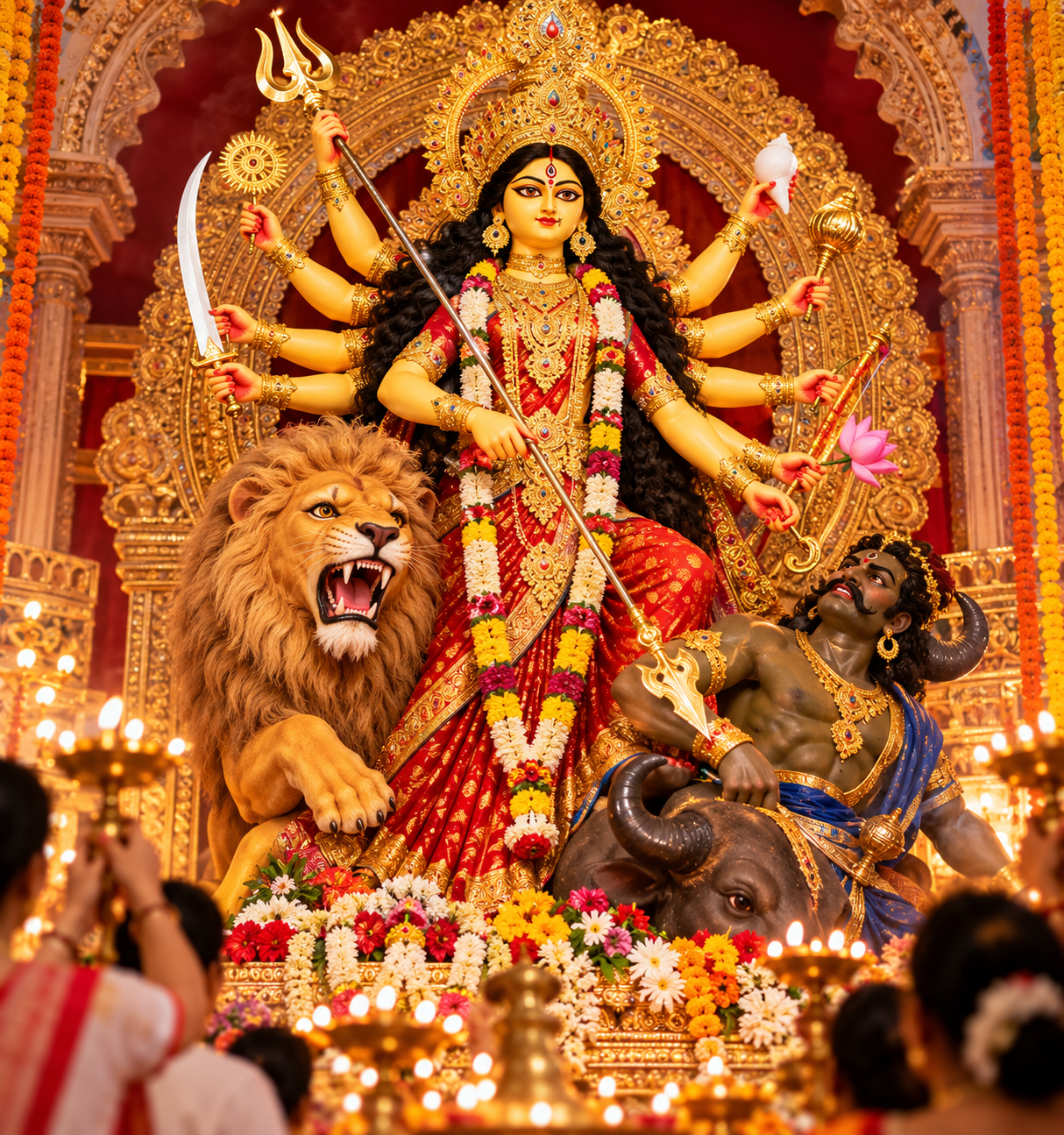
Durga Puja is a major Hindu festival dedicated to Goddess Durga, who represents strength, protection, wisdom and the power to destroy evil. The festival commemorates her victory over the buffalo demon Mahishasura, symbolising the triumph of righteousness over destructive forces.
The celebration is especially prominent in West Bengal, where Kolkata transforms into a spectacular cultural landscape filled with decorated pandals, magnificent idols, artistic installations and devotional performances. The festival is also celebrated with great enthusiasm in Assam, Tripura, Odisha, Bihar, Jharkhand and other parts of India.
Durga Puja is not simply a religious occasion. It is also a celebration of creativity, community participation and cultural identity. Artists spend months designing idols and pandals, families gather for traditional meals, and visitors explore the colourful decorations throughout the festival.
For many devotees, Goddess Durga's arrival represents the return of a beloved daughter to her maternal home, adding an emotional dimension to the celebrations.
What Is Navratri?
Navratri, meaning nine nights, is a Hindu festival dedicated to the worship of the divine feminine energy, known as Shakti. The festival is observed several times during the Hindu calendar year, but Sharad Navratri, celebrated during September or October, is particularly popular across India.
During these nine nights, devotees worship the nine manifestations of Goddess Durga, collectively known as Navadurga. Many people observe fasts, perform daily prayers, visit temples and participate in devotional singing and traditional dances.
In Gujarat, Navratri is famous for energetic Garba and Dandiya Raas performances. In northern India, devotees often organise religious gatherings, recite sacred texts and observe rituals associated with the Goddess. In southern India, celebrations may include the arrangement of Golu dolls, while eastern India places special emphasis on Durga Puja.
The ninth day, known as Maha Navami, is an important occasion for worship, while the tenth day is celebrated as Vijayadashami or Dussehra in many traditions.
Durga Puja and Navratri: What Is the Difference?
Although the festivals share a spiritual connection, their customs and emphasis vary by region.
FeatureDurga PujaNavratriMain focusWorship of Goddess Durga and her victory over MahishasuraWorship of the Goddess through her nine manifestationsDurationMajor public celebrations generally span five principal daysNine nights followed by the tenth-day observance in many traditionsFamous regionsWest Bengal, Tripura, Assam, Odisha and BiharGujarat, Uttar Pradesh, Maharashtra, Rajasthan and many other statesPopular traditionsPandals, idol worship, dhunuchi dance and sindoor khelaFasting, Garba, Dandiya and daily prayersConcluding celebrationBijoya Dashami or VijayadashamiVijayadashami or Dussehra, depending on regional traditionBoth festivals honour Shakti, the divine feminine energy believed to sustain, protect and transform the universe.
The Nine Forms of Goddess Durga During Navratri
Each day of Sharad Navratri is traditionally associated with a different manifestation of Goddess Durga. These forms represent qualities such as purity, courage, discipline, compassion and spiritual wisdom.
1. Shailputri — The Daughter of the Mountains
Shailputri is worshipped on the first day of Navratri. She represents strength, stability and a deep connection with nature. Devotees seek her blessings for a strong foundation in life and spiritual growth.
2. Brahmacharini — The Goddess of Devotion and Discipline
The second day honours Brahmacharini, who symbolises dedication, patience and self-control. Her form inspires devotees to pursue their goals with determination and remain committed to their values.
3. Chandraghanta — The Symbol of Courage
Chandraghanta is worshipped on the third day. Associated with bravery and protection, she represents the courage required to confront difficulties and defend righteousness.
4. Kushmanda — The Creator of the Universe
The fourth manifestation is Kushmanda, traditionally associated with the creation of the universe through her divine energy. She symbolises vitality, creativity and the light that dispels darkness.
5. Skandamata — The Goddess of Motherhood
Skandamata, worshipped on the fifth day, represents maternal love, compassion and protection. Her form highlights the nurturing power of motherhood and the importance of caring for others.
6. Katyayani — The Warrior Goddess
The sixth day is dedicated to Katyayani, a fierce manifestation of the Goddess associated with the destruction of evil. She represents courage, determination and the strength to stand against injustice.
7. Kalaratri — The Destroyer of Darkness
Kalaratri is worshipped on the seventh day. Despite her fearsome appearance, she is revered as a protective force who removes fear and destroys negative influences.
8. Mahagauri — The Symbol of Purity and Peace
Mahagauri, associated with the eighth day, represents purity, serenity and spiritual renewal. Devotees seek her blessings for peace, harmony and the cleansing of negative thoughts.
9. Siddhidatri — The Giver of Spiritual Accomplishment
The ninth day honours Siddhidatri, who symbolises wisdom, fulfilment and spiritual accomplishment. Her worship marks the culmination of the nine-day journey of devotion.
The order of rituals, colours and offerings may vary according to regional and family traditions.
Why Is Durga Puja Celebrated?
The central story associated with Durga Puja describes the rise of Mahishasura, a powerful demon whose growing strength threatened the gods and the balance of the universe.
Unable to defeat him individually, the gods combined their divine energies to create Goddess Durga. Equipped with celestial weapons, she fought Mahishasura in a fierce battle and ultimately defeated him.
This victory is celebrated as the triumph of good over evil and justice over oppression.
The story also carries a broader message about the importance of courage, determination and collective strength. It reminds devotees that destructive forces may appear powerful, but they can be overcome through wisdom, righteousness and perseverance.
Important Days of Durga Puja
Durga Puja follows a series of significant rituals, particularly in eastern India.
Mahalaya: Marks the beginning of the traditional countdown to Durga Puja in Bengal. Many people listen to devotional recitations associated with the arrival of the Goddess.
Maha Shashthi: The main public festivities begin, with rituals associated with welcoming and invoking the Goddess.
Maha Saptami: Worship continues with ceremonial rituals, including the Nabapatrika tradition in Bengal.
Maha Ashtami: One of the most important days, featuring special prayers, pushpanjali and, in many communities, Kumari Puja.
Maha Navami: Devotees offer prayers and participate in rituals celebrating the Goddess's divine power.
Bijoya Dashami: The celebrations conclude with farewell ceremonies. In many communities, idols are immersed in water, symbolising the Goddess's return to her divine abode.
Exact observances and dates depend on the Hindu lunar calendar and local religious traditions.
How Navratri Is Celebrated Across India
One of the most fascinating aspects of Navratri is the diversity of its celebrations.
Gujarat: Garba and Dandiya Nights
Gujarat is famous for its energetic Navratri celebrations. People gather in traditional attire to perform Garba in circular formations around a symbolic representation of the Goddess. Dandiya Raas, performed with decorated sticks, adds rhythm and excitement to the festivities.
West Bengal: Grand Durga Puja Pandals
West Bengal celebrates Durga Puja with remarkable artistic expression. Communities create elaborate pandals inspired by architecture, mythology, social themes and contemporary art. Families and friends visit different pandals, admire the idols and enjoy traditional Bengali cuisine.
Bihar and Uttar Pradesh: Devotion and Religious Traditions
In Bihar and Uttar Pradesh, many devotees observe fasts, visit temples and organise devotional programmes during Navratri. The festival is closely connected with prayers to Goddess Durga and the celebrations of Ram Navami or Dussehra in their respective seasonal observances.
In several communities, Kanya Puja is performed on Ashtami or Navami, when young girls are honoured as manifestations of the divine feminine.
Maharashtra: Community Worship and Cultural Gatherings
In Maharashtra, Navratri is marked by temple visits, devotional singing, community gatherings and regional dance traditions. Many families follow specific fasting practices and offer prayers throughout the festival.
Southern India: Golu and Temple Celebrations
In Tamil Nadu and neighbouring southern states, the Golu tradition involves arranging dolls and figurines on stepped displays in homes. Families invite relatives and friends, sing devotional songs and share traditional food.
These different customs demonstrate how one spiritual tradition can inspire a wide variety of cultural expressions.
Rituals, Fasting and Traditional Offerings
Devotees observe Durga Puja and Navratri according to their family traditions, regional customs and personal beliefs.
Common practices include:
Ghatasthapana or Kalash Sthapana: A ceremonial beginning to Navratri worship in traditions that observe it.
Daily prayers and mantras: Devotees offer flowers, incense, lamps and other traditional items to the Goddess.
Fasting: Some people avoid certain foods or eat only specific fasting-friendly meals.
Durga Saptashati recitation: Many devotees read or listen to sacred verses dedicated to the Goddess.
Kanya Puja: Young girls are worshipped and offered food or gifts in communities that follow this practice.
Community celebrations: Families participate in temple events, devotional programmes, Garba, Dandiya and cultural gatherings.
Fasting rules and offerings differ across regions, so there is no single practice followed by every devotee.
The Cultural and Economic Importance of Durga Puja
Durga Puja is also a major cultural and economic event, especially in eastern India. The months leading up to the festival support thousands of artisans, potters, decorators, painters, electricians, musicians, tailors, transport workers and small businesses.
Kumartuli in Kolkata is particularly known for its traditional idol-making community. Skilled artisans shape clay into detailed figures of Goddess Durga and her accompanying deities, continuing techniques passed down through generations.
Temporary pandals become spaces for artistic experimentation, community engagement and public celebration. Restaurants, markets, hotels and local transport services also experience increased activity during the festive season.
Durga Puja therefore demonstrates how religious traditions can sustain livelihoods while preserving artistic heritage and bringing communities together.
Environmental Responsibility During the Festival
As celebrations grow in scale, environmental awareness has become an important part of responsible festival planning.
Communities can make celebrations more sustainable by choosing eco-friendly materials, reducing single-use plastics, managing waste responsibly and ensuring that decorations are reused or recycled wherever possible.
Organisers can also encourage energy-efficient lighting, responsible sound levels and environmentally appropriate idol immersion practices.
These efforts help preserve the beauty and meaning of the festival while reducing its environmental impact.
The Spiritual Message of Durga Puja and Navratri
Beyond rituals and public celebrations, Durga Puja and Navratri encourage reflection on the qualities represented by Goddess Durga.
Her courage inspires people to confront injustice. Her compassion reminds them to support those in need. Her wisdom encourages thoughtful decisions, while her victory over Mahishasura symbolises the importance of overcoming destructive tendencies.
The nine forms of the Goddess can also be understood as a spiritual journey, guiding devotees towards greater discipline, confidence, kindness and self-awareness.
The festivals offer an opportunity to strengthen family relationships, help others, participate in community activities and renew one's commitment to positive values.
In Final
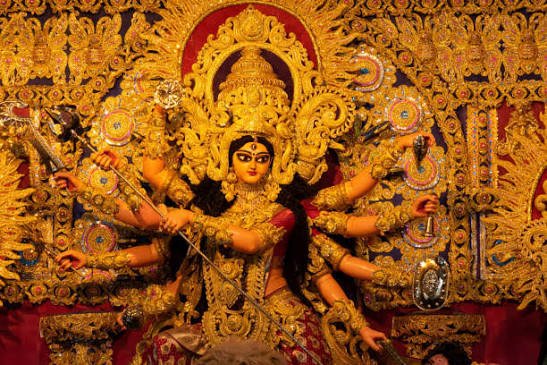
#DurgaPuja2026 and Navratri represent far more than a series of religious ceremonies. They bring together devotion, mythology, art, music, dance and community life through a shared celebration of the divine feminine.
From the magnificent pandals of Kolkata to the Garba grounds of Gujarat, from traditional fasting rituals to the colourful Golu displays of southern India, the festivals reflect the remarkable diversity of Indian culture.
Their central message remains timeless: goodness requires courage, strength must be guided by wisdom, and darkness can be overcome through determination and faith.
As devotees welcome Goddess Durga and honour her nine manifestations, they celebrate not only a divine victory from ancient tradition but also the hope of creating a more compassionate, courageous and harmonious world.
Happy Durga Puja and Shubh Navratri!